A windscreen is more than a simple piece of glass. It’s a structural component of your car that plays a key role in keeping you safe on the road. From supporting the vehicle’s frame to ensuring airbags deploy correctly, a well-fitted windscreen protects you in ways you might not realise. However, when fitting is done incorrectly, the risks can be significant. An improperly installed windscreen can weaken your car’s integrity and increase the chance of injury during an accident. This article explores why correct windscreen fitting is critical for your safety and what to watch out for.
What are the risks of fitting a windscreen incorrectly?
Fitting a windscreen isn’t simply a matter of sealing a piece of glass. If done poorly, it introduces several hazards. You may face:
- Compromised airbag function due to insufficient support during deployment, leaving passengers more exposed during an impact.
- Increased risk of the windscreen dislodging in a collision, as the adhesive may fail under stress.
- More exposure to water leaks, which can damage electronics, cause corrosion to metal surfaces and lead to mould growth inside the cabin.
- Higher chances of injury from broken glass if the windscreen cracks or shatters unexpectedly.
Even small mistakes in adhesive application, curing time, or alignment can lead to these problems. It’s not something that should ever be rushed or left to inexperienced people. When windscreen fitting is done improperly, it increases both the everyday risk of driving and the severity of outcomes in the event of an accident.
Why can a poorly fitted windscreen reduce structural integrity?
Your windscreen contributes much more than visibility — it helps the vehicle stay structurally sound. In a rollover, your windscreen provides vital support to the roof. Without it, the cabin could collapse more easily. When the fitting is poor:
- The roof may be more likely to collapse due to a weakened structural bond between the windscreen and the vehicle frame.
- Side impacts can cause frame warping, as the glass can’t distribute forces evenly.
- Occupants face a greater chance of ejection, especially if the seatbelts and airbags can’t perform correctly.
- Stress fractures and cracks can appear in the glass, leading to sudden failure.
It’s also important to note that a compromised windscreen impacts how your car handles. The rigidity of the front of the car may be reduced, which in turn can affect handling in emergencies or during sharp turns.
A correctly fitted windscreen is integral to the crashworthiness of the entire vehicle — it’s not just cosmetic.
How does an unsafe windscreen installation put passengers at risk?
An improperly installed windscreen doesn’t just affect the vehicle — it puts the people inside at direct risk. Consider the following dangers:
- The windscreen could detach during a crash, exposing passengers to direct impact forces and flying debris.
- Airbags might not deploy fully or in the right direction if the glass doesn’t support them during inflation.
- Your visibility could be reduced due to glass movement, distortion, or vibration when driving.
- Sharp glass fragments can injure passengers if the glass cracks under normal driving loads or road bumps.
It’s also worth remembering that a poorly installed windscreen may allow external noise, dust, or moisture into the cabin, which can create an ongoing distraction or discomfort for the driver.
Before driving with any visible damage, you should be aware of the safety risks of driving with a cracked windscreen. Even minor faults can escalate quickly if not addressed properly. Passengers rely on the windscreen to act as a shield. If that shield is compromised, so is their safety.
What is the safest method for fitting a windscreen?
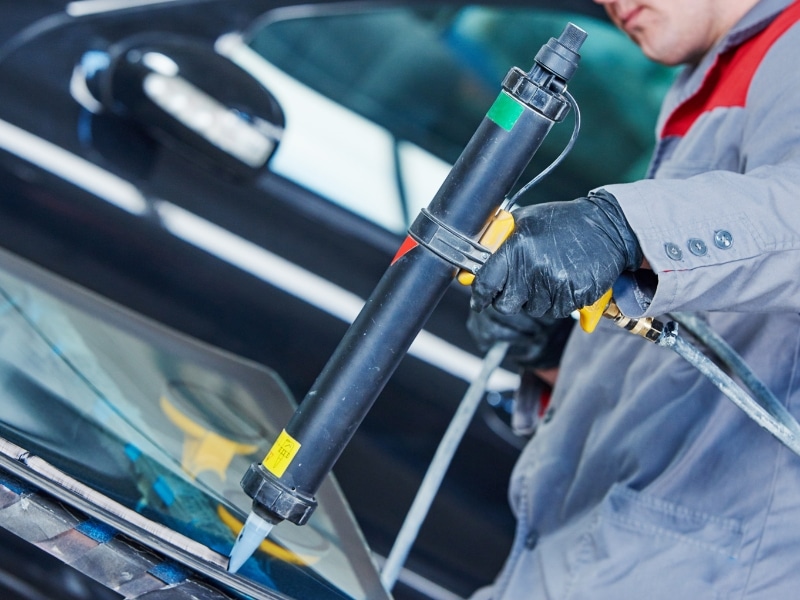
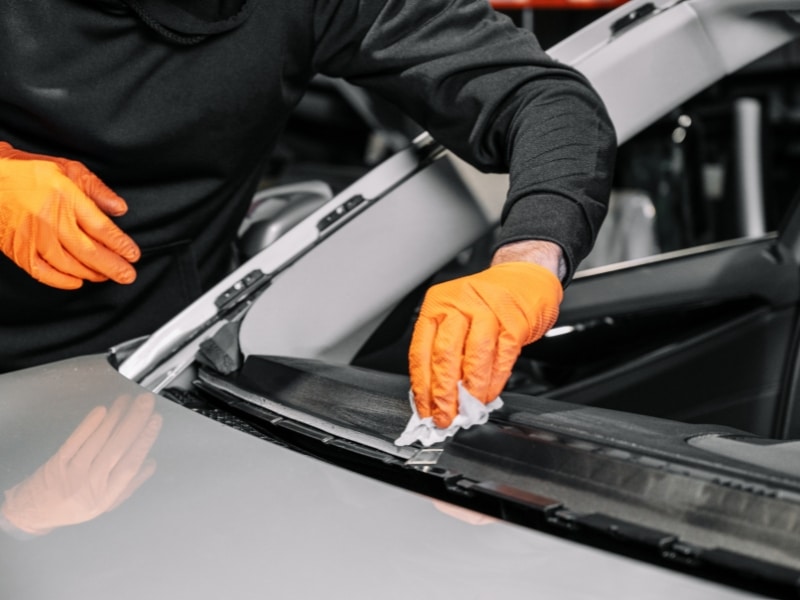
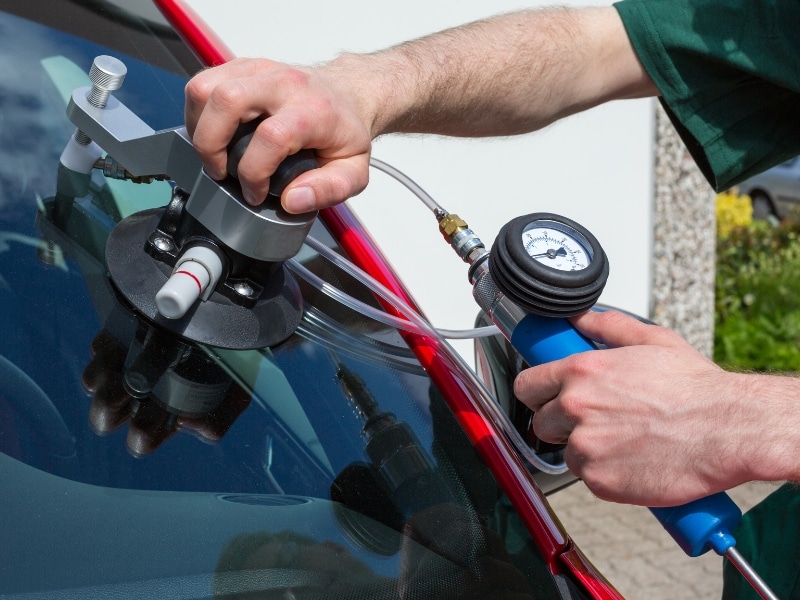
There’s a right way — and plenty of wrong ways — to fit a windscreen. The safest method involves a careful, detailed process. Key steps include:
- Thoroughly cleaning and preparing the bonding surfaces so the adhesive can form a perfect seal.
- Selecting a high-quality adhesive suited to the vehicle type, temperature and environment.
- Allowing proper curing time before driving ensures that the adhesive has reached full strength.
- Inspecting alignment and seal from every angle to prevent gaps or weak points.
Technicians also check whether the glass itself is suitable. Some damage can’t be repaired safely. You can explore different types of windscreen damage requiring replacement to understand when a full replacement is the best option. A safe windscreen fitting is methodical, patient, and precise — not something to be rushed or improvised.
How do different factors affect the quality of a windscreen fitting?
Fitting quality depends on multiple variables — it’s not simply about how skilled the technician is. Here’s a quick look:
Factor | Impact on Installation Quality |
Temperature and humidity | Affects adhesive curing and bonding |
Technician experience | Determines accuracy and adherence to specs |
Adhesive product quality | Influences bond strength and long-term durability |
Vehicle condition (frame, prior damage) | May cause improper alignment or fitting issues |
For your peace of mind, find reliable solutions for fitting a windscreen from trusted experts who know how to manage all of these variables. A good fit is the result of preparation, process, materials, and experience working together in harmony.
What safety checks should you perform after a windscreen fitting?
Even after a professional fitting, you should perform a few simple safety checks to make sure everything is correct:
- Inspect the edges for even bonding and no visible gaps along the entire perimeter.
- Ensure the windscreen sits flush with the frame; it shouldn’t bulge or recess in any area.
- Test for leaks by spraying water across the seals to check for any leaks.
- Drive at speed to listen for excessive wind noise, which may signal an air gap or improper seal.
- Observe for any dashboard warnings or unusual airbag system alerts.
Additionally, your windscreen must comply with legal standards. The visibility and structural standards for fitted windscreens outline what is acceptable on Australian roads — and what could lead to unsafe conditions. A quick post-fitting check is worth your time — it helps catch issues before they lead to bigger problems.
How can proper windscreen fitting contribute to safer driving?
A well-fitted windscreen supports multiple safety elements that help protect you every time you drive:
- It provides clear, undistorted vision and is critical for quick hazard recognition.
- Maintains proper frame strength, especially during a crash or rollover.
- Ensures airbags deploy correctly and remain supported during inflation.
- Prevents water and dust ingress, which helps avoid visibility and electrical problems.
- Reduces driver distraction caused by vibration, wind noise, or loose seals.
Over time, a correctly fitted windscreen also prevents premature wear and cracking, ensuring your windscreen stays structurally sound for longer. From everyday comfort to life-saving performance, proper windscreen fitting makes your vehicle a safer place to be.
Final thoughts
Fitting a windscreen is not something to cut corners on. Whether it’s about visibility, impact protection, or structural integrity, proper fitting is essential to your safety on the road.
If your windscreen needs repair or replacement, get in touch with the team at GRS Windscreen PRO for your windscreen needs.