
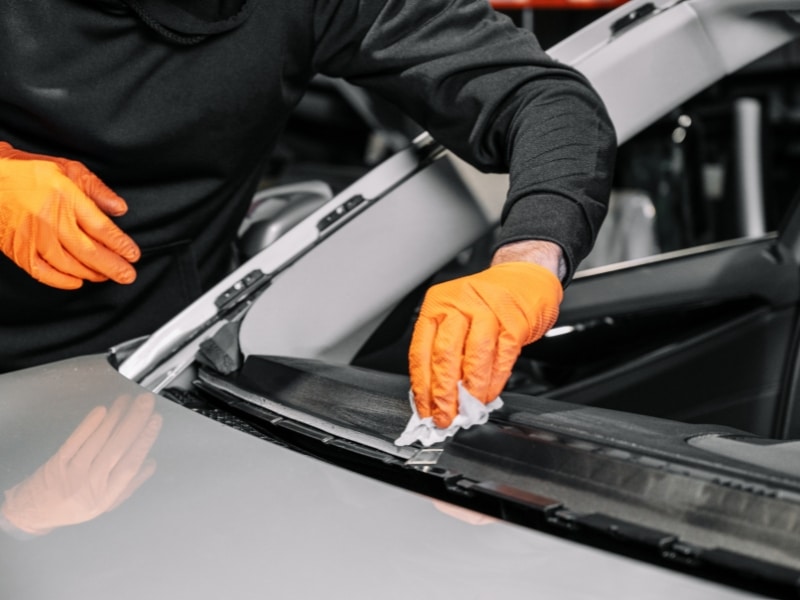
Car windows cop a fair bit of punishment — whether from break-ins, stray rocks, or even stress cracks after a heatwave. Many drivers wonder how much it costs to repair a car window, especially when considering the cost of repair versus replacement. Costs vary depending on the well. The price tag can swing widely based on the window’s location, the type of vehicle, and whether it’s a repair or a complete replacement. Throw in labour, mobile callouts, and nsurance excess, and things get more tangled than a dropped fishing line. Here’s the tricky bit — putting off the fix often leads to more serious dramas. Damaged windows can compromise visibility, let in water, or even fail during a collision. That’s not just annoying — it’s downright unsafe. Luckily, there are solutions. Repairs are often quicker and cheaper than you’d expect. Additionally, with mobile services and some decent coverage from your insurer, the hassle factor drops significantly. Let’s break it down so you know what to expect before heading to your local auto glass specialist.
What drives the cost differences in fixing a car window?
Not all car windows are built the same — and neither are the repair bills. The price can swing wildly, depending on:
- Type of glass — Side windows use tempered glass; windscreens use laminated safety glass.
- Vehicle make and model — Luxury cars or rare vehicles cost more due to parts availability.
- Location of the window — Front side windows are easier (and cheaper) to access than rear quarter panels.
- Labour charges — Rates vary by workshop, especially if special equipment is needed.
- Glass tinting or sensors — Integrated tech or tinting raises the complexity — and the price.
For standard models, repairs typically cost between $100 and $400. But for replacement jobs, especially with embedded ADAS sensors or rain detectors, you’re often looking upwards of $600. Sometimes, the best move is opting for efficient solutions for fixing a car window, particularly when only minor damage is involved.
Is car window repair cheaper than a complete replacement?
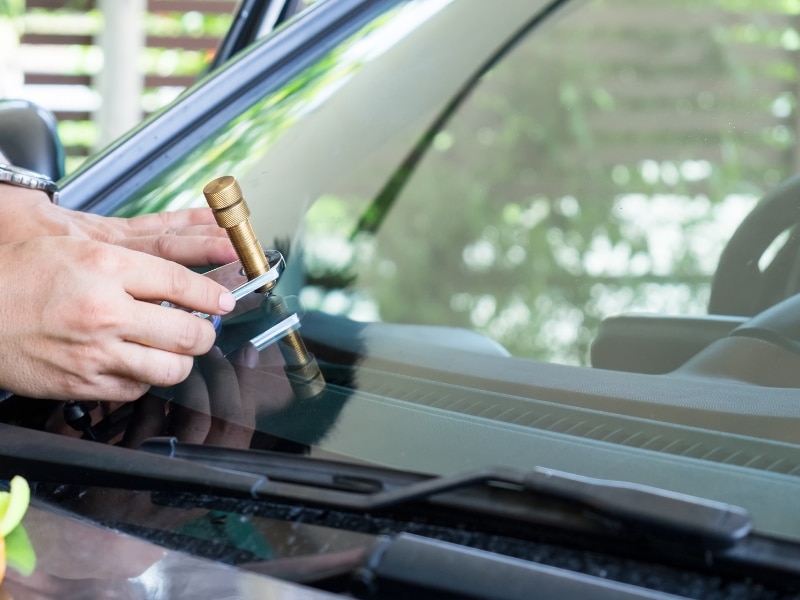
Short answer: absolutely. Repairs generally cost less than half of what a complete replacement would run. That’s because:
- Less labour time — no need to remove panels or trim.
- No replacement glass — materials costs are minimal.
- Quicker turnaround — some repairs take under 30 minutes.
But not every chip or crack can be salvaged. Repairs work best when:
- The damage is smaller than a $2 coin.
- The crack isn’t near the edge.
- The glass isn’t fully shattered.
Keep in mind that temperature fluctuations and vibration can turn a small crack into a big problem. So while repairs are cheaper, delay can leave you worse off. Understanding the risk of driving with a cracked windscreen is important, as it helps you see why even a minor issue shouldn’t be ignored. Acting early ensures safety and saves on costly replacements.
Common repair vs replacement costs:
| Service Type | Average Cost (AUD) | Turnaround Time |
| Chip Repair | $100–$150 | 30–60 mins |
| Side Window Replacement | $200–$400 | 1–2 hours |
| Rear Window Replacement | $300–$600 | 1–2 hours |
| Windscreen Replacement | $300–$800+ | 1.5–3 hours |
How does mobile service affect the cost of fixing a car window?
Mobile repair services are a godsend when your car’s too risky to drive. But how do they stack up cost-wise?
- Callout fees may apply, especially in remote areas.
- Some companies bundle mobile service into their base price.
- Time-of-day or weekend surcharges might apply.
Despite the extra cost, mobile services are often worth it. You get:
- Same-day service at your home or office.
- No towing costs if the car isn’t roadworthy.
- Flexible scheduling, even outside business hours.
For many Aussies, it’s cheap as chips considering the time and stress saved. When juggling budget and convenience, it helps to understand why windscreen chips spread and how to stop them before deciding if mobile is right for your fix.
Do insurance claims reduce the cost of fixing a car window?
If you’ve got comprehensive car insurance, you’re likely covered for glass damage. But whether or not it saves you cash depends on a few things:
- Excess — If your glass claim excess is $0 or low, you’re laughing.
- Claim limits — Some policies limit the number of glass-only claims you can make.
- Impact on premiums — One-off claims often don’t affect your rating, but multiple claims might.
It’s also important to check whether your insurer uses approved repairers. That could affect turnaround time or convenience. If your damage falls into the “repairable” category, you might not even need to file a claim. Many repair shops offer cheaper out-of-pocket rates than the excess would cost. To stay within your rights and avoid delays, be aware of the NSW standards for cracked windscreens before lodging any claim.
What types of damage can be repaired instead of replaced?
Knowing what’s repairable saves you cash and time. Here are the types of damage that usually don’t need a full replacement:
- Small chips or bullseyes under 2.5cm.
- Short cracks not extending to the edge.
- Clean damage not contaminated by moisture or dirt.
- Impact zones away from the driver’s view.
But be cautious — some cracks grow faster than mozzies in summer. Delay can take a minor issue and turn it into a full-blown replacement job. For example, cracks caused by thermal stress can worsen overnight. Any deep spidering or edge cracks usually require a new pane.
When should you replace a side or rear car window instead of repairing it?
Sometimes repair’s not an option. Here’s when you’ll need a full replacement:
- Shattered or missing glass — typically from break-ins or accidents.
- Safety glass compromised — even small fractures can weaken structural integrity.
- Built-in heating or sensors — these don’t function properly if the glass is cracked.
A damaged rear or side window can also pose security risks. Thieves see it as an easy entry point, and moisture or pests can creep in quickly. When things look dicey, it’s better to replace them sooner rather than later. That said, repairing early is the more brilliant move whenever possible.
Final thoughts
Getting a car window fixed doesn’t have to be a drama. The cost depends on factors like the type of damage, your vehicle, whether you opt for mobile service, and what your insurance covers. With quick action, you can avoid a bigger hit to your wallet down the track. For straight-shooting advice and top-notch mobile service, turn to guidance from GRS Windscreen PRO. They’ll sort your window without the runaround.