





The repair time depends on the type of damage, the complexity of the glass, and the technician’s availability. Cracked glass, foggy lines, or a loud whistle when you drive—could it be the rear window of the car giving way? This often-overlooked component plays a critical role in both visibility and structural integrity. So when something goes wrong, the question arises: how long does a rear window repair really take—and what should you expect? This article dives into timelines, processes, repair vs replacement costs, and common pitfalls, giving you a complete roadmap for protecting your vehicle and your safety.

What is the rear window of the car, and why does it matter?

The rear window — or backlight, if you’re being technical — isn’t just a pane of glass stuck on for looks. It holds together a bunch of features you rely on without even realising.

When it’s damaged, these things go out the window (pun intended). A small crack can compromise heating, allow leaks, or weaken structural integrity. It’s the sort of issue that seems minor until it’s not.

What are the common reasons a rear window of a car gets damaged?

Rear window issues usually sneak up on you. One day, everything’s fine. Next, a hairline crack or moisture is creeping in.

Catch these signs early, and the fix is usually straightforward. Ignore them, and you’re looking at bigger trouble — and a fatter bill. For those in the know, efficient rear-window repairs on a damaged windscreen are worth their weight in gold.

Why delaying rear window repairs can put you at risk?

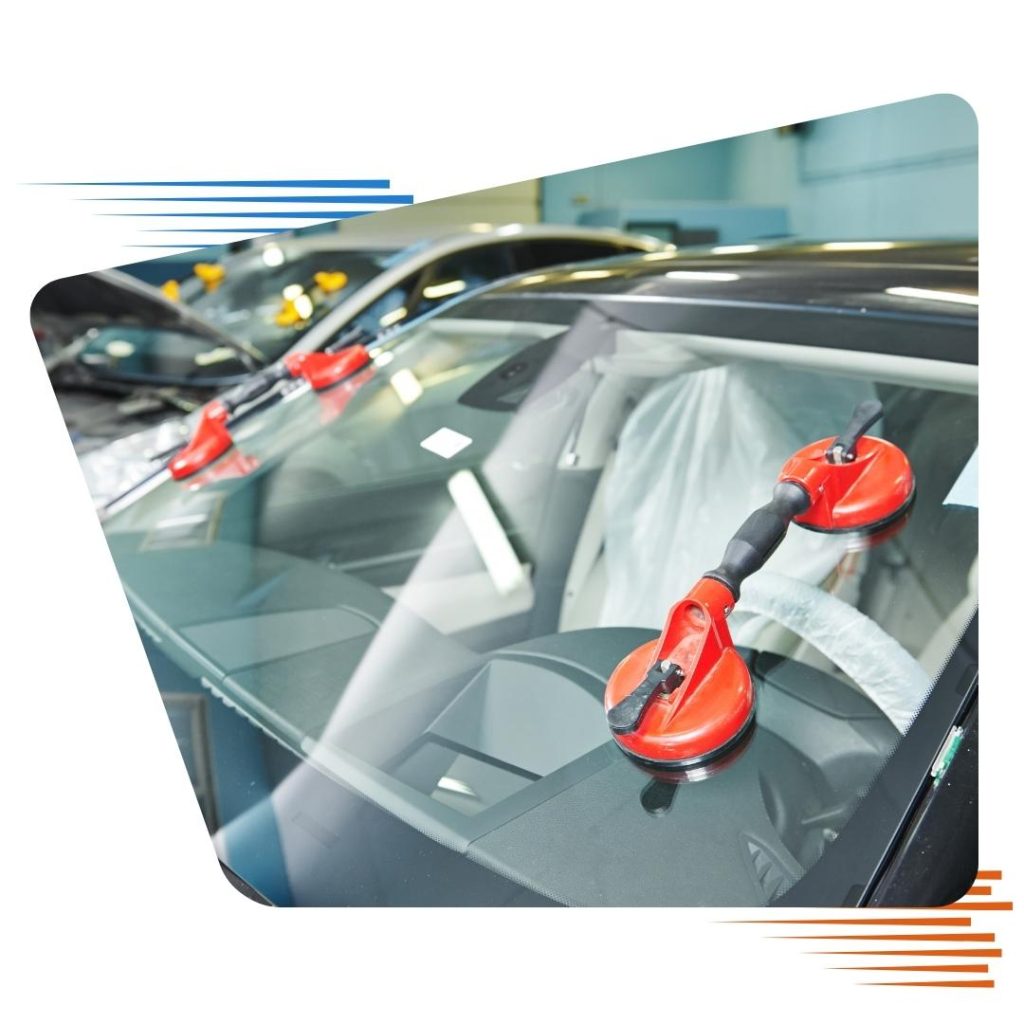
Technician repairing rear window of the car using specialised tool

You might be tempted to leave a small crack or ignore foggy heating lines. Don’t. That delay could cost you far more than the repair.

It’s the old “she’ll be right” attitude that backfires here. What starts as a tiny chip could end up compromising your whole rear window — and your driving safety. A bit of insight into rear window repair cost variations goes a long way in avoiding that mess.

What does the process of repairing the rear window involve?

No two rear window jobs are the same. What’s needed depends on the type of damage, the complexity of the glass, and what’s wrapped into it — such as heating wires, sensors, or camera mounts. Here’s the rough process:

Some dodgy repairs skip proper prep or use the wrong adhesive. That’s a shortcut you’ll pay for later. Want your fix to last? Make sure your tech knows their stuff — and that they’ve had government-accredited rear window repair training.

For instance, if your rear defroster isn’t working, the technician will need to test and reconnect the electrical grid carefully. In some cases, a simple solder joint repair saves replacing the entire unit. That sort of hands-on judgment only comes from experience — not guesswork or rushing through the job.

How much does a repair cost compared to the price of a windscreen replacement?

Rear window repairs can be lighter on the wallet than a full windscreen job, but not always — especially if the rear glass is heated, curved, or custom-fitted.

Type Scenario Cost drivers Approx. Cost (AUD)
Repair Minor chip or seal issue Callout fees, demister checks, trim removal $100–$250
Replacement Cracked or broken window Glass type, heating grid, adhesives $250–$800
Luxury/Import Rare parts, curved fitment OEM glass, specialist labour, sensor work $800+

If you’re dealing with heating faults or full breakage, the price climbs. A quick fix is always going to beat letting things fall apart — literally.

What factors affect the cost of windscreen replacement?

Even two cars from the same make might have different price tags when it comes to glasswork. That’s because rear windows vary more than you’d think.

It all adds up. If your vehicle’s a bit of a unicorn, get a proper assessment. No point guessing when the glass is doing a job that important.

Final thoughts on repairing the rear window of the car

Rear window damage isn’t something you can afford to ignore. Whether it’s fogging up, leaking water, or quietly cracking behind the tint, it’s a weak spot waiting to fail. Act early and you’ll save money, preserve safety, and avoid bigger headaches down the road. From minor fixes to complete swaps with demister wiring and precision fitting, professional service matters. It also pays to ask about warranties, turnaround times, and whether OEM or aftermarket glass is being used. A bit of know-how upfront can mean a smoother, safer result later. And remember — the rear window may be out of sight, but it shouldn’t be out of mind. Not sure where to start? Consider guidance from GRS Windscreen PRO — they know their glass from the ground up and won’t steer you wrong.