
A damaged side door window might seem like a minor hassle, but it can quickly lead to bigger problems. From theft risk and weather exposure to higher repair bills down the track, ignoring it is a costly mistake. The longer it stays broken, the more you risk — not just your car’s condition but your safety as well. Fast action helps you avoid expensive damage and ensures your car stays roadworthy and secure. This article explores why you shouldn’t delay and how professional repair makes all the difference when it comes to side door window damage.
What risks come with driving a car that has a broken door window?
Driving with a broken door window affects more than comfort — it directly threatens your safety, visibility, and vehicle health. Damaged side windows can worsen quickly, particularly in poor weather or on rough roads. Being aware of the risks helps you respond quickly before things escalate. Here are the key risks of driving with a broken door window:
- Rain or dust can get in easily, damaging seats, electronics, and your car’s interior over time
- Sharp glass remnants can cause injury to passengers, especially during a sudden stop or sharp turn
- Unusual noises from wind pressure can distract the driver and reduce attention to the road
- Temperature control becomes difficult, making the car less energy-efficient and more uncomfortable during travel
Even a small break can become a costly issue when ignored. It’s a risk that compromises safety from all angles.
How does a broken side door window affect your car’s security?
Your car’s side windows form a crucial part of its overall security. When broken or compromised, they provide an easy point of access for theft or vandalism. Acting fast helps prevent trouble before it starts and deters opportunists from targeting your vehicle. Here are the main security concerns with a broken door window:
- Thieves can easily reach in and grab valuables or access locks with little resistance
- Broken windows interfere with alarm systems that rely on glass shock sensors or internal pressure readings
- Damage makes your vehicle look unattended or abandoned, inviting break-ins or more serious harm
- A broken window exposes your vehicle contents to plain view, attracting the wrong sort of attention
If security matters, don’t delay. It’s best to find reliable side window repair solutions for keeping car windows safe before it’s too late.
Why can ignoring a broken door window lead to higher costs later?
What starts as a simple crack can evolve into a much larger expense. Delaying repairs often causes related systems to fail, increases labour costs, or voids insurance claims. Acting early saves you not only money but also time and unnecessary headaches. Here are the long-term costs of neglecting a broken door window:
- Moisture damage spreads quickly and affects electronics, trim, and even dashboard components
- Mould and odours can form inside the cabin, requiring professional deep-cleaning and replacement of parts
- Water leakage may cause rust in door frames or electrical shorts in automated window switches
- Insurance claims may be denied if assessors believe the issue was neglected for too long
You might save money now by putting it off, but the long-term costs are almost always worse than a quick repair. It’s also worth remembering that keeping your vehicle safe and road-ready means maintaining a car in a safe condition, which broken windows can easily compromise if left unaddressed.
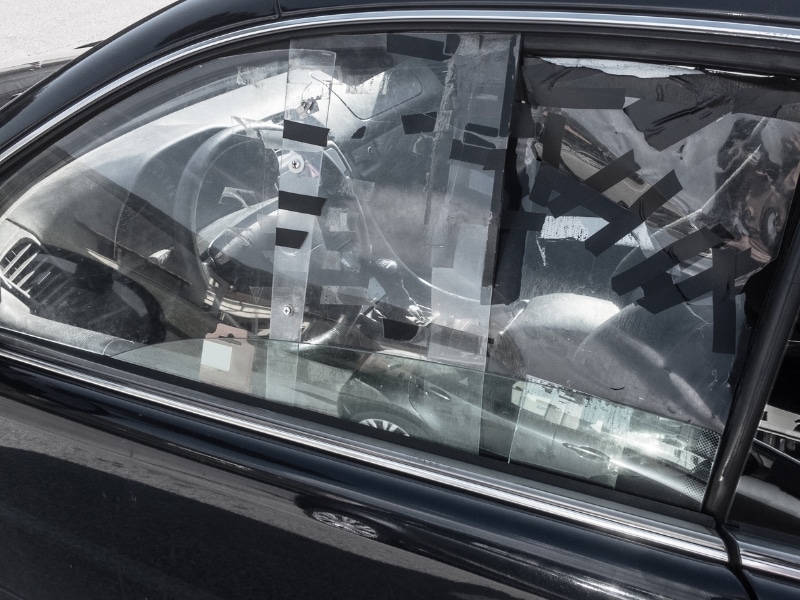
Can a car side window be repaired instead of replaced?
Not all side window damage needs full glass replacement. Some issues — like chips, scratches, or jamming — can often be repaired quickly and effectively. Knowing what types of damage qualify for repair can save you unnecessary expenses and effort. Here are the signs a car side window can be repaired instead of replaced:
- Surface scratches that don’t obstruct visibility or interfere with window function during movement
- Minor chips on laminated windows that haven’t spread across the surface or reached the glass edges
- Functional issues like jamming or stuttering when rolling up or down, unrelated to glass breakage
- Water leaks caused by faulty seals rather than actual damage to the glass panel itself
Common types of damage vs. required fix:
| Type of Damage | Repair Possible? | Notes |
| Small chip (under 10mm) | Yes | Only on laminated glass, not spreading or star-shaped |
| Surface scratch | Yes | Cosmetic damage that doesn’t affect strength or vision |
| Window jam (mechanical fault) | Yes | Track, motor, or switch issue; glass stays intact |
| Cracked tempered glass | No | Tempered glass shatters on impact; full replacement |
| Edge damage or spreading crack | No | Structural risk if left unfixed; needs new glass |
Repairing is often faster, cheaper, and just as effective when done properly. Professionals know how to judge repair eligibility.
How can car side window damage be repaired effectively?
Effective repair depends on the type and extent of the damage. Qualified technicians use specialised tools to fix or replace components safely. Some jobs take under an hour and restore full function and appearance. Choosing the right method ensures long-term reliability. Here are the ways car side window damage can be repaired effectively:
- Clear chips and cracks are sealed with automotive resins that restore strength and prevent spreading
- Electric windows are tested, with switches and motors replaced if jamming or unresponsive behaviours are present
- Seals are replaced when they become brittle or torn, stopping water leaks and annoying wind noise
- Glass tracks are realigned and lubricated, ensuring smooth, quiet window movement during operation
Avoiding damage from improper fixes is essential — that’s why it’s worth understanding the risks of attempting DIY side window repair before picking up any tools.
What should you know before repairing side door window damage?
Before committing to repairs, it helps to know a few basics about the process. These details influence your timing, budget, and expectations. Getting informed keeps things smooth and reduces the chance of last-minute surprises or unnecessary costs. Here are things to consider before repairing your car’s side door window:
- Glass type (tempered or laminated) determines whether repairs are possible or full replacement is required
- Your insurance may cover damage, but check if preferred repairers are listed in your policy terms
- Quotes and timelines should be confirmed up front, especially for imported vehicles or rare parts
- Workmanship should meet Australian safety standards using certified glass and installation methods
Making the right call starts with understanding your vehicle’s specific needs — and your responsibilities as the owner.
Final thoughts on broken door window repairs
Leaving a broken door window unfixed is asking for trouble. From security concerns to rising repair bills, the consequences are too serious to ignore. A quick visit to a professional now prevents massive costs and stress later down the track.
When it’s time to take action, see how GRS Windscreen PRO improves safety through quality car window repairs. Fast, reliable work keeps you safe and on the road without the drama.